Keynote Address1- 17 November 2026
A/Prof Robyn Whittaker– National Institute for Health Innovation, University of Auckland, AI Governance and Ethics in Health New Zealand
Robyn is a Public Health Physician currently leading the innovation stream within a newly established Institute for Innovation and Improvement at Waitemata District Health Board. She leads the Leapfrog Programme of enterprise wide strategic projects, partnerships with industry and academic institutions (such as the Precision Driven Health research partnership), and a Centre for Health IT & Creative Design that works with DHB staff to develop and trial new things.
Robyn is also an Associate Professor at the National Institute for Health Innovation, University of Auckland, where she co-leads the Health Informatics and Technology research team. Her research interests are in mHealth (mobile health) – particularly designing and trialling interventions to be delivered to people via their mobile phones. These include health behaviour change interventions, such as TextMATCH health information for pregnant women and families with young children to encourage healthy diet and physical activity, and self-management programmes for long term conditions, such as SMS4BG self-management support for people with poorly controlled diabetes.
Robyn contributes to several national and international groups including the World Health Organisation/ International Telecommunications Union’s Informal Expert Groups for the ‘Be Healthy Be Mobile’ global initiative, the NZ Telehealth Forum Leadership Group, the board of the NZ Health Innovation Hub, the management team of the MedTech Centre of Research Excellence, the editorial board for JMIR mHealth & uHealth, and is a consultant on several international research projects. She was a NZ Harkness Fellow in 2010/11 during which time she was an invited expert on the Secretary of Health & Human Services’ Text4Health Advisory Committee.

Keynote Address 2- 18 November 2026
Ms Elizabeth Tydd– Australian Information Commissioner
Elizabeth Tydd took up the position of Australian Information Commissioner in August 2024 for a 5-year term.
Elizabeth is an experienced agency head and has occupied a number of statutory decision‑making roles, including Information Commissioner and CEO of the NSW Information and Privacy Commission, Australian Freedom of Information Commissioner, Deputy President of the Workers Compensation Commission and Deputy Chairperson of the former Consumer, Trader and Tenancy Tribunal.
Elizabeth has extensive regulatory and governance experience at an executive and board level in a range of jurisdictions and industries, including commercial, not-for-profit and public sector oversight.
She holds a Bachelor of Laws and Master of Laws from the University of Technology Sydney, as well as postgraduate certificates in executive management and governance together with post graduate qualifications in leadership and policy from Harvard University. Elizabeth possesses expertise in digital government and has written extensively on this subject.
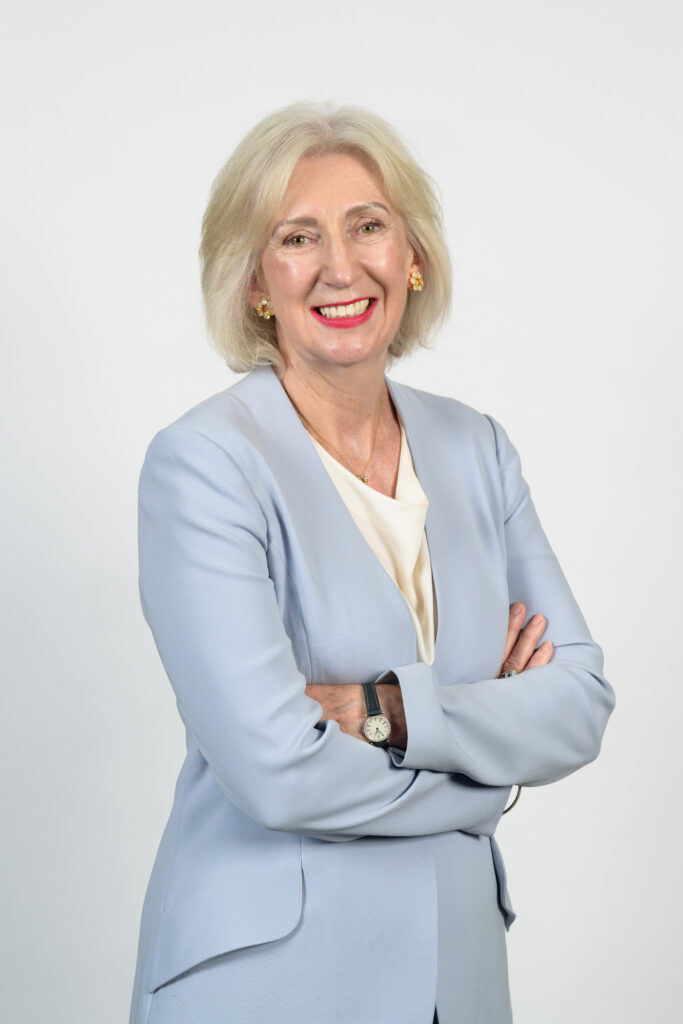
Keynote Address 3- 19 November 2026
A/Prof Kalinda Griffiths– Director of Poche SA+NT at Flinders University- Collecting Indigenous Data in Clinical Trials
Associate Professor Kalinda Griffiths (FRSN) is a Yawuru woman living and working on Larrakia Country. She is a cancer epidemiologist and the Director of Poche SA+NT at Flinders University, where she leads a program of work focused on strengthening the governance, quality, and ethical use of Indigenous population-level data to improve health systems, equity, and outcomes.
Kalinda’s research is centred on Indigenous Data Governance, health measurement, cancer control, and the reform of national data and reporting systems. With more than 25 years’ experience working across government, research, and community-controlled sectors, she has played a leading role in shaping national policy and practice on Indigenous identification, health and wellbeing reporting, bioethics, and accountability in data systems. Her work seeks to ensure that Indigenous data are accurate, culturally grounded, and governed in ways that reflect Indigenous rights, authority, and priorities.
